Cost-effective ocean tech for smaller teams — and how to choose between “premium” and “mid-range” without sacrificing data integrity
Running high-quality marine research doesn’t have to require high-end budgets. Today’s compact AUVs and ROVs, single-channel loggers, and entry-level USVs can deliver reliable data when you match the mission to the right tool. At Grey 4 Blue Solutions, we help universities, smaller institutes, and consultancies configure proven systems that prioritise accuracy, serviceability, and honest specs.
Field-Proven Platforms That Keep Costs Down
Compact ROV for inspections & teaching
- CHASING M2 PRO MAX — A tethered industrial-grade ROV with a 200 m depth rating, modular payloads (robotic arms, imaging sonar), and stable flight for inspections and training. Ideal where live video matters and dive windows are short.
Micro-AUV for autonomous coastal surveys
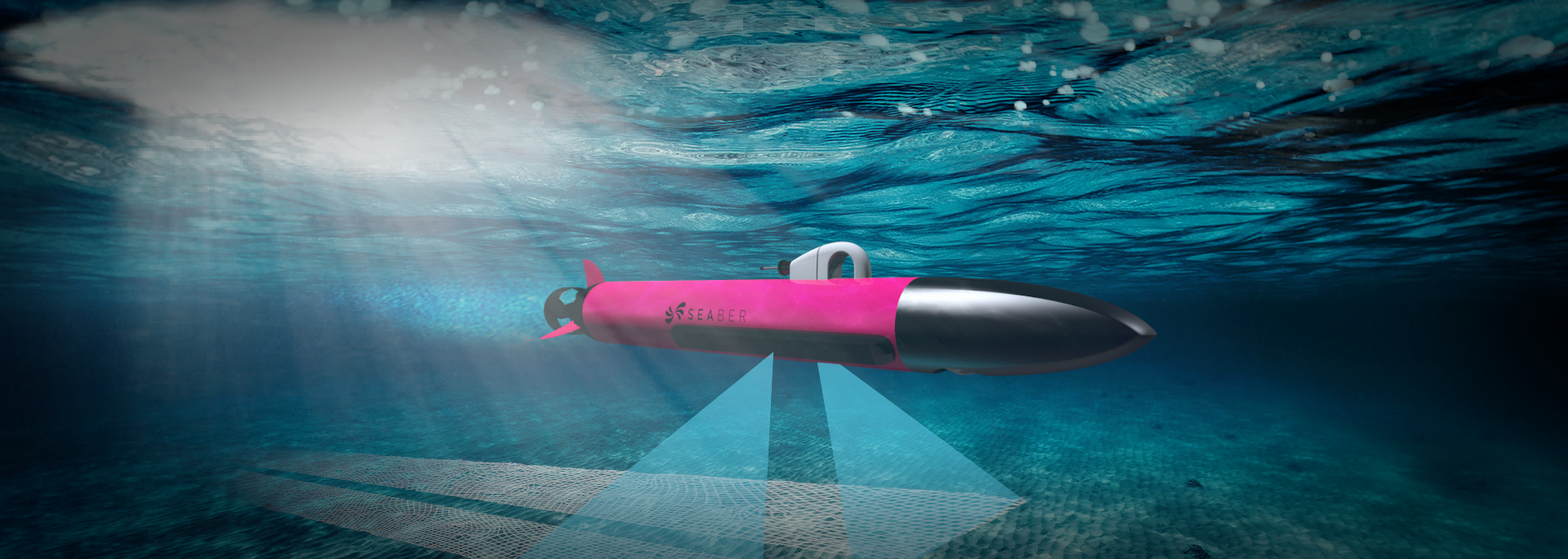
- SEABER YUCO / MARVEL series — Micro-AUVs rated to 300 m, built for coastal and shelf work. Typical endurance is around 6 h at ~2.5 kn (MARVEL), with some YUCO variants offering up to ~10 h depending on configuration and speed. Lowers the barrier to autonomous mapping and water-quality surveys.
Entry-level USV for hydrography
- OceanAlpha SL40 (inland / near-shore) — A compact hydrographic USV for single-beam/multibeam/ADCP payloads, with practical ~8 h endurance at ~3 kn. Two-person portable for lakes, rivers, canals, and harbours.
When to pick platforms like these: Use an ROV for live video inspections, a micro-AUV for untethered repeat surveys, and a USV when you need safe, efficient surface coverage for bathymetry or a communications relay.
Sensors: Premium vs Mid-Range (What Changes, What Doesn’t)
The goal isn’t “cheap”; it’s fit-for-purpose accuracy. Here’s a practical way to compare premium and mid-range choices by variable.
Reality check: “Premium” often buys stability, documented calibration chains, and a robust tooling ecosystem. “Mid-range” keeps core capability while limiting channels or accessories — ideal when you need more stations instead of more features per station.
Telemetry & Data: Keep It Simple (and Sustainable)
- Start with local logging (on-instrument memory). For many teaching and near-shore programs, this is enough. Compact instruments like RBRsolo³ are designed for low power and long deployments.
- Add real-time links only where they add value. For USVs/buoys, use store-and-forward workflows at survey speeds; reserve satellite/LEO broadband for sites that truly need it.
Honest Specs: How We Protect Your Data Integrity
- We prioritise OEM-published specifications (depth ratings, endurance ranges, calibration methods) and plan missions with appropriate buffers instead of relying on “up-to” numbers.
- Examples we use in planning: CHASING M2 PRO MAX listed 200 m depth; SEABER MARVEL LUMEN listed ~6 h at 2.5 kn and 300 m depth; OceanAlpha SL40 documented ~8 h at ~3 kn.
Budget-Smart Configurations (Sample Builds)
- Coastal habitat mapping, small team
Platform: SEABER YUCO micro-AUV (autonomous lines) + CHASING M2 PRO MAX for spot checks.
Sensors: Temperature/pressure on RBRsolo³ at fixed points; occasional casts with Tegaru-CTD for profiles.
Why: One autonomous mapper + affordable fixed stations = coverage and ground-truthing. - Harbour infrastructure audit (semester project)
Platform: CHASING M2 PRO MAX for visuals; lease imaging sonar only when needed.
Sensors: O₂ via an optode on a simple mooring for background conditions.
Why: Real-time video drives decisions; background water quality captured at low running cost. - Inland bathymetry & discharge
Platform: OceanAlpha SL40 with SBES/ADCP payload; shore-based processing.
Why: Safer, faster coverage from the surface in rivers/canals/lakes, with practical endurance at survey speeds.
How Grey 4 Blue’s Create Your Mission Tool Helps
Tell us your depth, duration, variables, platform constraints, and budget. We recommend:
- The right platform mix (ROV/AUV/USV) for your sites
- Sensor bundles that meet accuracy needs without over-buying
- Power/telemetry options that keep operations sustainable
Our configurations are anchored to published OEM specs and integration practices we support locally across Australia & APAC.
Key Takeaways
- You can do rigorous marine research on a modest budget by matching mission needs to fit-for-purpose platforms and sensors.
- Micro-AUVs, compact ROVs, and entry-level USVs reduce deployment cost while maintaining data quality when used within published specs.
- Single-channel loggers and compact CTDs enable distributed monitoring with reliable accuracy and low power draw.
- Data integrity comes from honest specifications, calibration, and planning buffers — not from the price tag.